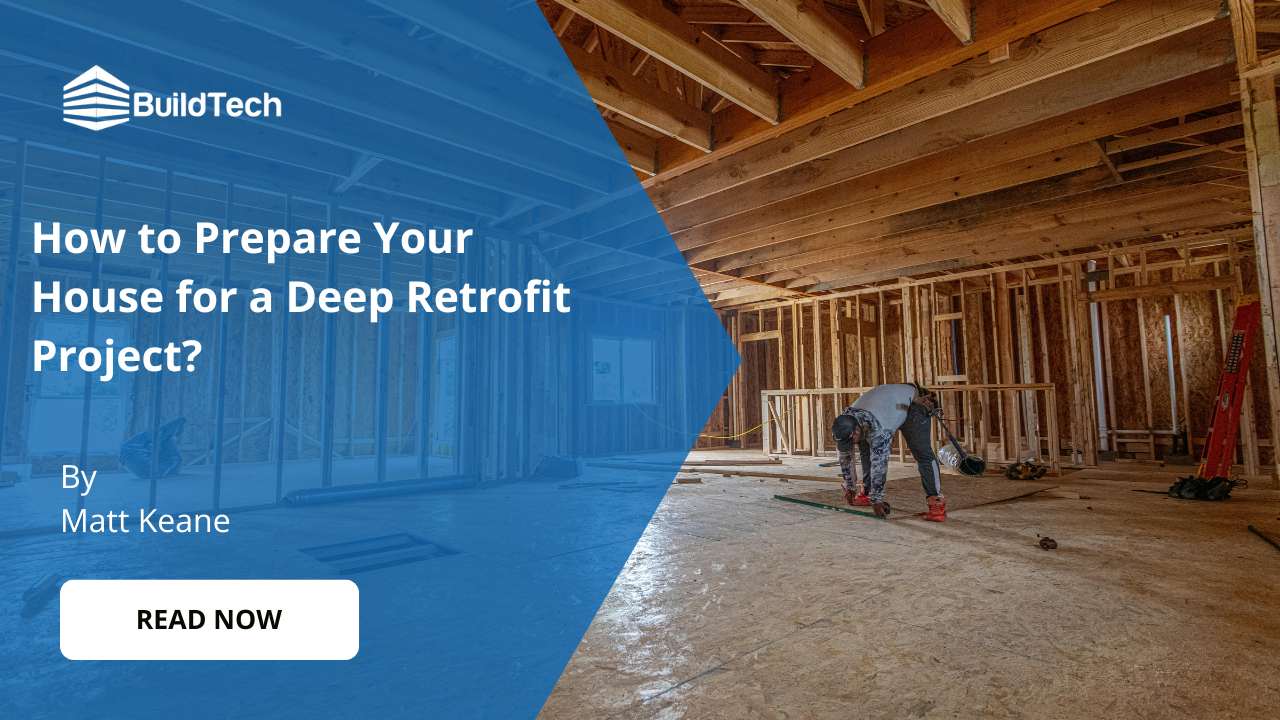
Thinking about making your home more energy efficient and comfortable? A deep retrofit is one of the most effective ways to transform an older house into a modern, energy-saving space. It involves upgrading insulation, heating systems, and ventilation to reduce energy waste and improve comfort.
Knowing how to prepare your house for a deep retrofit project can make a big difference in planning and results. With the right approach, you can lower bills, boost your home’s value, and live more sustainably.
This guide walks you through the key steps, and benefits to get started with confidence.
Let’s start!
How to Prepare Your House for a Deep Retrofit Project?
Before starting a deep retrofit, it’s important to understand your home’s current condition, plan improvements, and set a clear budget. A well-prepared approach will help you make informed choices, reduce energy waste, and improve comfort and performance.
Below are the main stages to help you prepare effectively.
1. Assess and Plan
Begin by evaluating your home’s condition to identify energy inefficiencies and areas that need improvement. Set achievable goals for energy savings, air quality, and comfort. Plan a realistic budget that covers all expected costs, from materials to labour.
Develop a clear project plan that outlines the scope of work, the type of upgrades, and a timeline. This step sets a strong foundation for the rest of your retrofit journey.
2. Address the Building Envelope
Improving your building envelope helps maintain a consistent indoor temperature and reduces heat loss. Add high-quality insulation to walls, floors, and roofs to form a continuous thermal layer.
Seal any gaps or cracks around windows, doors, and fittings to prevent air leakage. Consider upgrading to modern, energy-efficient windows and doors that retain heat better and reduce noise. Together, these upgrades create a more efficient and comfortable home.
3. Implement Mechanical and Energy System
Install a modern ventilation system to keep indoor air fresh and reduce moisture build-up. Upgrade to energy-efficient heating and cooling systems like heat pumps to replace older, less effective models. Integrate renewable energy sources, such as solar panels or solar water heating systems, to reduce reliance on fossil fuels.
Choose reliable, energy-rated equipment to get the best long-term results. These steps will make your home cleaner, healthier, and more sustainable.
4. Ensure Professional Oversight

Work with qualified professionals who understand deep retrofit requirements and local building standards. Energy assessors and contractors can help guide each stage of the process, ensuring work meets regulations.
Regular inspections and monitoring will help track your home’s performance and energy use. Adjustments can then be made where necessary to keep your home efficient. Having expert oversight helps maintain high-quality results and avoids costly mistakes.
What Are The Benefits of a Deep Retrofit Project for Your House?
A deep retrofit offers lasting improvements that make your home more comfortable, energy-efficient, and cost-effective to maintain.
1. Lower Energy Bills
By improving insulation, sealing air leaks, and upgrading heating systems, a deep retrofit can significantly cut your monthly energy costs. You’ll use less power to keep your home warm in winter and cool in summer.
Over time, these savings can make a noticeable difference to your household budget.
2. Better Indoor Comfort
A deep retrofit helps maintain even indoor temperatures and reduces cold drafts. Improved ventilation keeps air fresh and healthy while preventing damp or mould. The result is a more pleasant and consistent living environment all year round.
3. Reduced Carbon Footprint
By using renewable energy and efficient systems, your home produces fewer greenhouse gas emissions. A deep retrofit supports Ireland’s climate goals while helping you live more sustainably.
It’s a practical way to make a positive environmental impact from your own home.
4. Increased Property Value

Homes with higher energy ratings and modern systems often attract more buyers and sell faster. A deep retrofit not only improves your home’s performance but also makes it a more appealing long-term investment.
Energy-efficient features are now a key factor in property value.
5. Improved Health and Wellbeing
Cleaner air, balanced humidity, and stable indoor temperatures can have real health benefits. A deep retrofit reduces allergens, dampness, and pollutants that can affect breathing or comfort.
6. Increased Building Durability
Upgrading insulation, sealing gaps, and managing ventilation all help protect your home from moisture damage and structural wear. This extends the lifespan of your building and reduces the need for frequent repairs. A well-retrofitted house stays stronger for longer.
You’ll enjoy a healthier and more relaxing home environment.
Conclusion
Preparing your house for a deep retrofit is a smart step towards creating a warmer, more efficient, and sustainable home. From assessing your property and planning improvements to choosing the right professionals, each stage plays a vital role in achieving lasting results. A well-planned retrofit not only cuts energy bills but also increases comfort and value.
If you’re ready to upgrade your home and enjoy the benefits of expert workmanship, get in touch with BuildTech today. Our team will guide you through every stage of your retrofit project with care and precision. Contact us now to start building a home that’s ready for the future.
Frequently Asked Questions
What exactly is a deep retrofit and how is it different from a standard retrofit?
A deep retrofit involves upgrading multiple elements of your home (insulation, airtightness, heating, ventilation, renewables) as a coordinated package, rather than incremental single changes. It aims for substantial energy savings, often 40–50 % or more.
How long does a deep retrofit typically take to complete?
The timeframe depends on your home’s size, condition, and scope of upgrades. Some deep retrofits may take several weeks to a few months.
How much will a deep retrofit cost?
Costs vary widely depending on property type, condition, and upgrades chosen. In Ireland, full deep retrofits often run into tens of thousands of euros.
What kind of energy savings can I expect after a deep retrofit?
When done properly, a deep retrofit can reduce energy consumption by 40–60 % or more by cutting heating/cooling loads and improving system efficiency.
Can your service handle all stages of the retrofit for me?
Absolutely, our efficient service offers a full turnkey solution. We’ll assess your home, design the retrofit plan, manage contractors, and monitor performance afterwards.
Do you offer guarantee or warranty on your retrofit work?
Yes, we provide a warranty for materials and workmanship to ensure you have peace of mind long after the retrofit is complete.
