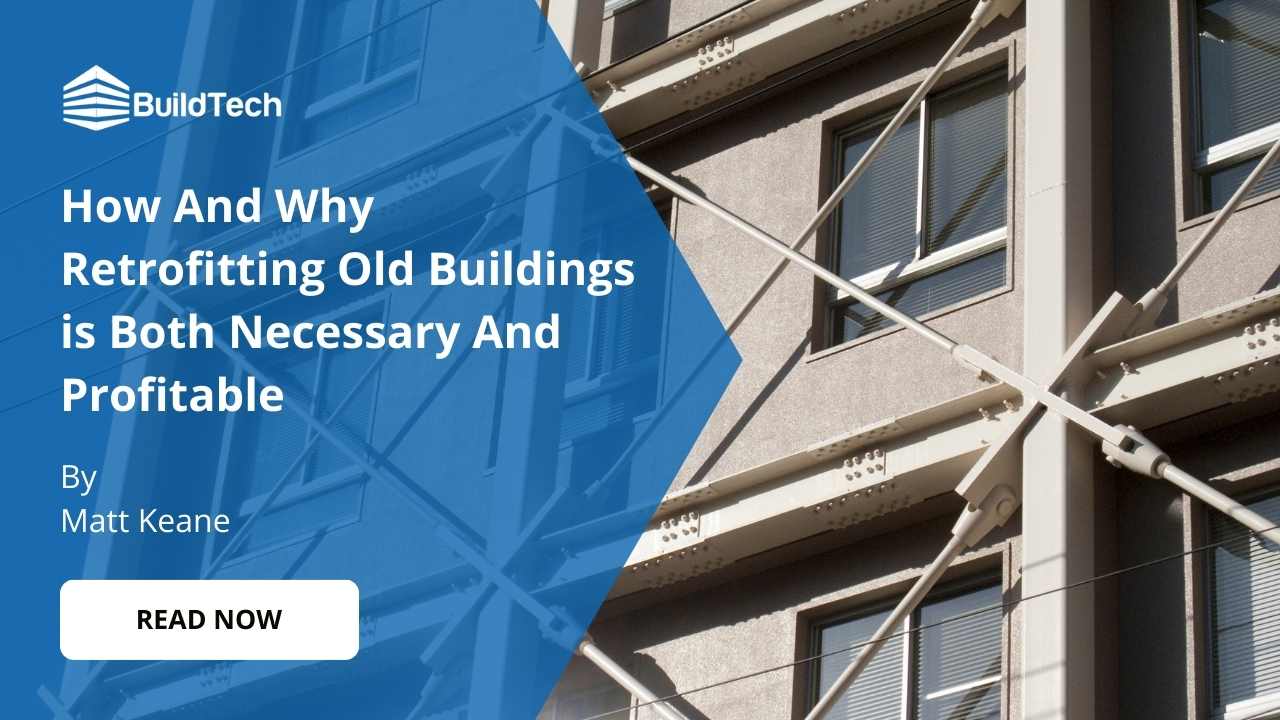
Looking for a basic understanding of retrofitting? Retrofitting old buildings has become more than just a trend; it's now a necessity for both environmental and economic reasons. Many older buildings are inefficient, consuming far more energy than modern standards.
By upgrading them with new technology and energy-saving features, we can reduce their carbon footprint and improve their overall performance. Not only does this help the planet, but it also makes financial sense by cutting energy costs and increasing property value.
In this blog, we’ll discover what is retrofitting & why it is important for old buildings and the benefits it offers. Learn the process of retrofitting for old buildings.
Ready to learn more? Let’s get started!
What is Retrofitting?
Retrofitting refers to the process of upgrading or modifying an existing building with new technology, materials, or systems to improve its efficiency, safety, and functionality. Instead of demolishing older structures, retrofitting allows us to enhance them by addressing issues like energy consumption, outdated infrastructure, or poor insulation.
This process typically involves adding energy-efficient systems, improving insulation, and sometimes even incorporating renewable energy sources like solar panels. Retrofitting isn’t just about making a building more modern—it's about future-proofing it.
By making these updates, older buildings can meet current environmental standards, improve occupant comfort, and reduce operating costs. Whether it's a home, office, or industrial complex, retrofitting ensures that old structures remain useful and competitive in a world that demands sustainability.
Why Retrofitting is Important?
Retrofitting clearly offers both environmental and financial advantages, making it a smart choice for property owners.
Environmental responsibility
Retrofitting old buildings is crucial for environmental sustainability. Older structures are often less energy-efficient, leading to higher energy consumption and greater carbon emissions.
By retrofitting these buildings with modern insulation, energy-efficient windows, and updated heating systems, you can significantly reduce their environmental impact. This move helps lower greenhouse gas emissions and supports global climate goals, making it an important step in reducing the effects of climate change.
Additionally, retrofitting can use renewable energy sources, such as solar panels or wind energy, further reducing reliance on fossil fuels. This transformation turns old, inefficient buildings into greener, more sustainable spaces that contribute to a healthier planet.
Financial incentives
Retrofitting isn’t just about sustainability; it’s also financially rewarding. Old buildings often have higher operational costs due to inefficient energy use. By making upgrades, property owners can save significantly on energy bills. These savings increase over time, leading to a solid return on investment (ROI) for building owners.
Moreover, retrofitting increases the property’s value. Energy-efficient buildings are in higher demand, making them more attractive to tenants and buyers who are willing to pay a premium for lower utility costs and an eco-friendly space. Retrofitting, therefore, enhances both the short- and long-term financial health of the property.
What Are the Steps of Retrofitting Old Buildings?
By following these steps, retrofitting can transform old buildings into energy-efficient, modern spaces while preserving their original character.
1. Assessing the building’s current condition
The first step in retrofitting an old building is to evaluate its current state. This involves conducting a thorough energy audit and structural assessment. Professionals will inspect the building’s insulation, heating, ventilation, and electrical systems to identify inefficiencies.
They’ll also look at the roof, windows, and foundation to ensure they’re still in good shape. This initial evaluation helps in understanding what upgrades are necessary to improve the building's energy efficiency and structural integrity.
Documentation is crucial during this phase. Older buildings often have incomplete or outdated blueprints, which can make retrofitting more challenging. In many cases, teams need to recreate missing documentation to ensure they know exactly how the building functions before moving forward.
2. Implementing energy-efficient solutions
Once the evaluation is complete, the next step is to implement energy-efficient upgrades. This might include installing better insulation, upgrading windows to double-glazed ones, and replacing outdated heating systems with modern, energy-efficient alternatives.
These improvements reduce energy consumption and make the building more comfortable for its occupants.
Using renewable energy systems, like solar panels or heat pumps, is another popular option in retrofitting projects. These technologies provide sustainable energy, further lowering the building's carbon footprint and operational costs.
3. Integrating smart technologies
To make the retrofitted building future-proof, smart technologies can be integrated during the retrofitting process. These technologies include automated lighting, HVAC systems that adjust to occupancy levels, and smart metres to monitor energy usage.
Installing building automation systems allows for centralised control, making the building more efficient and easier to manage. This is especially important in commercial spaces where energy use can vary throughout the day.
Smart technologies not only boost energy efficiency but also enhance the comfort and functionality of the building, creating a modern environment in an older structure.
Conclusion
Retrofitting old buildings is essential for both environmental and financial reasons. It enhances energy efficiency, reduces carbon footprints, and increases property value while preserving the building's character. By modernising old structures with energy-efficient solutions and smart technologies, building owners can reduce costs and future-proof their properties.
Retrofitting is a smart investment that benefits both the planet and your wallet. Interested in transforming your building into a more efficient, sustainable space? Contact BuildTech today to learn more about how we can help with your retrofitting needs!
Frequently Asked Questions
What is retrofitting in old buildings?
Retrofitting involves upgrading existing buildings with modern technologies to improve energy efficiency, safety, and comfort, while maintaining their structural integrity and design.
Why is retrofitting old buildings necessary?
Retrofitting is necessary to reduce energy consumption, meet modern safety standards, and increase the building's lifespan, making it more environmentally friendly and cost-efficient.
How does retrofitting improve energy efficiency in old buildings?
Retrofitting improves energy efficiency by upgrading insulation, installing energy-efficient windows, and incorporating renewable energy sources like solar panels, reducing overall energy consumption.
Is retrofitting old buildings profitable?
Yes, retrofitting is profitable as it lowers energy costs, increases property value, and often qualifies for government incentives, making it a long-term investment with financial returns.
How does retrofitting old buildings help the environment?
Retrofitting reduces energy usage, cuts carbon emissions, and minimises waste by upgrading existing structures rather than demolishing and rebuilding, promoting sustainability.
Can all old buildings be retrofitted?
Most old buildings can be retrofitted, though the extent of upgrades depends on the building's structure and historical value. Some buildings may require specialised methods to preserve their heritage.
